The Alhambra lends a piece to the Metropolitan Museum of Art in New York for the first major exhibition on Orientalism
6/11/2026 8:48:12 AM
The Alhambra Museum has loaned one of its pieces to the first major exhibition dedicated to Orientalism at the Metropolitan Museum of Art in New York.
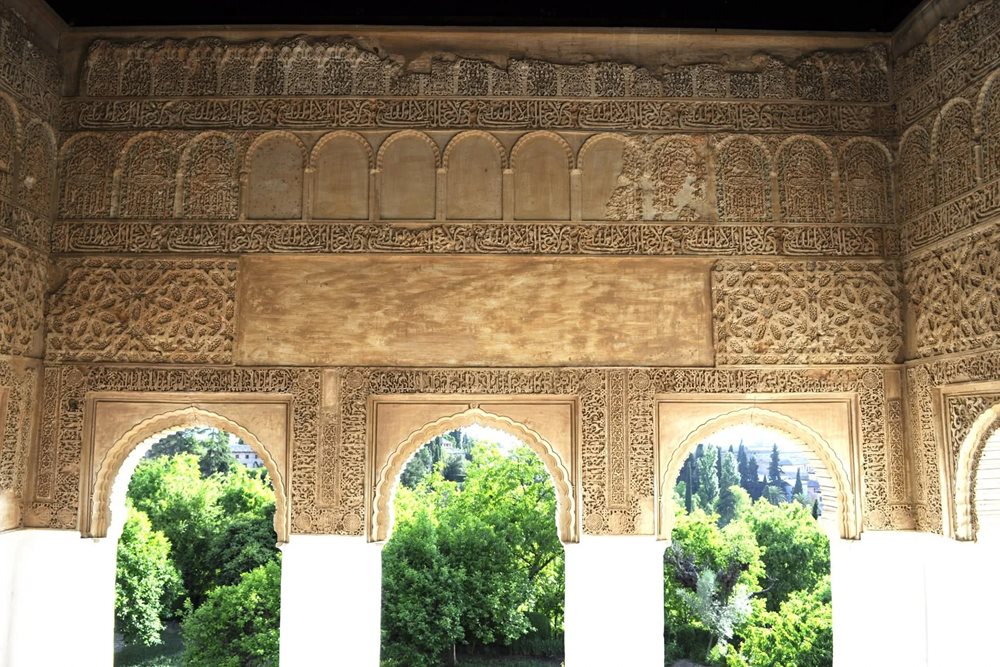
The work in question is a carved and polychromed stucco piece from the viewpoint of the Patio de la Acequia in the Generalife.
Through this contribution, the Alhambra and Generalife Board is taking part in one of the most ambitious international exhibitions of the year: “Orientalism: Between Fact and Fantasy”. The exhibition will open to the public at the MET on Friday, June 12, and will run until February 28, 2027.
The loaned piece is of exceptional heritage value, showcasing the outstanding technical and aesthetic quality of Nasrid art and its influence on the development of Orientalist imagery in the Western world. In addition, the Alhambra Historical Archive has provided a selection of images from its collections, documenting how the monument became a key reference for art and design in the 19th century on both sides of the Atlantic, in Europe and the United States.
The Alhambra is thus presented in this exhibition as a key landmark in the history of Orientalism and as an international reference in heritage conservation, dissemination, and cultural preservation.
The exhibition highlights the central role of the monument in Orientalist and Moorish-inspired aesthetics, admired by artists such as Eugène Delacroix, Ingres, and Owen Jones. This fascination with Islamic art helped shape new trends in Western architecture and design, characterized by historicism and a taste for the exotic.
Featuring nearly 180 works from museums and international collections -including paintings, drawings, photographs, illustrated books, architectural pieces, textiles, weapons, ceramics, metalwork, and glass- the exhibition explores how Islamic objects circulated through world fairs, private collections, and art markets, as well as their use as inspiration in painting, design, and decorative arts.
This is the MET’s first monographic exhibition dedicated to the phenomenon of 19th-century Orientalism, a period marked by intense cultural exchanges between Europe and the Middle East, shaped by globalization and the historical context of colonialism and imperialism.
Latest news
- The Alhambra returns to normal with the reopening of the Alcazaba
- The Alhambra reopens to visitors after the Granada earthquakes, but the Alcazaba remains closed
- The Alhambra temporarily evacuated after a magnitude 4.8 earthquake in Granada
- New Temporary Exhibition at the Alhambra: "El cielo de cristal", by Eduardo Roca
- Photos of The Alhambra

Hotels in Granada